Decision comparison
Agno vs LangChain
Agno and LangChain sit at opposite ends of the abstraction question. Agno keeps the surface small: memory, knowledge, tools and multi-agent teams are built in, and an agent is a short Python file with little between your code and the model. LangChain provides several hundred integrations and a surrounding ecosystem that includes LangSmith for tracing and LangGraph for orchestration, with a correspondingly large API to learn.
Architecture choice. These take different approaches to the same problem. Read the table as a fit question rather than a feature race.
Applies to: if you need maximum flexibility and already have Python or Node.
All 2 are agent frameworks.
Quick Comparison
| Decision factor | Agno | LangChain |
|---|---|---|
| What it is | A lightweight Python framework for building agents, with memory, knowledge and tools built in | A broad framework for LLM applications, with a very large catalogue of integrations |
| Design | Small surface area, few abstractions, agents constructed directly in Python | Composable components and chains, with abstractions covering many application shapes |
| Integrations | Model-agnostic across major providers, with a focused set of tools and vector stores | Hundreds of integrations across models, vector stores, document loaders and tools |
| Multi-agent | Teams of agents coordinated within the framework | Agent implementations plus LangGraph for explicit multi-step orchestration |
| Learning curve | A working agent is a short Python file | The abstraction set is wide, and there is more than one way to build the same thing |
| Ecosystem | Growing, with an included runtime and interface for running agents | Very large, with LangSmith for tracing and evaluation and LangGraph for orchestration |
| Best fit | Teams wanting a direct, low-overhead path from Python to a working agent | Teams that need broad integration coverage and an established surrounding ecosystem |
Agno
- What it is:
- A lightweight Python framework for building agents, with memory, knowledge and tools built in
- Design:
- Small surface area, few abstractions, agents constructed directly in Python
- Integrations:
- Model-agnostic across major providers, with a focused set of tools and vector stores
- Multi-agent:
- Teams of agents coordinated within the framework
- Learning curve:
- A working agent is a short Python file
- Ecosystem:
- Growing, with an included runtime and interface for running agents
- Best fit:
- Teams wanting a direct, low-overhead path from Python to a working agent
LangChain
- What it is:
- A broad framework for LLM applications, with a very large catalogue of integrations
- Design:
- Composable components and chains, with abstractions covering many application shapes
- Integrations:
- Hundreds of integrations across models, vector stores, document loaders and tools
- Multi-agent:
- Agent implementations plus LangGraph for explicit multi-step orchestration
- Learning curve:
- The abstraction set is wide, and there is more than one way to build the same thing
- Ecosystem:
- Very large, with LangSmith for tracing and evaluation and LangGraph for orchestration
- Best fit:
- Teams that need broad integration coverage and an established surrounding ecosystem
Public signals
Verified factual signals only. Bars appear only for like-for-like metrics with five weekly assessments for every tool; missing evidence stays explicit. These signals do not establish enterprise adoption, product quality, or total cost.
| Metric | Agno | LangChain |
|---|---|---|
| GitHub commits, 90d(Product adoption) | 358 | 541 |
| GitHub stars(Product adoption) | 42,000+ | 146,000+ |
| Search interest(Market interest) | Unavailable | 14 |
| Hacker News mentions, 90d(Community interest) | Not available | 31 |
| Product Hunt comments(Community interest) | 15 | Not available |
| Product Hunt rating(Community interest) | 5.0/5 | Not available |
| Product Hunt reviews(Community interest) | 2 | Not available |
| Product Hunt votes(Community interest) | 326 | Not available |
| PyPI weekly downloads(Product adoption) | 403.7k | 38.2M |
| Stack Overflow questions(Community interest) | 3 | 2.0k |
| npm weekly downloads(Product adoption) | Not available | 2.1M |
As of September 14, 2026 — updated weekly.
Health & risk evidence
Observed public-source checks for mapped package versions and repositories.
Agno
September 14, 2026Package vulnerabilities
PyPI · agno@3.0.6
0 vulnerabilities
across 1 package
Repository security score
Not available
LangChain
September 14, 2026Package vulnerabilities
npm · langchain@1.5.11 · PyPI · langchain@1.4.0
0 vulnerabilities
across 2 packages
Repository security score
Not available
Interface Preview
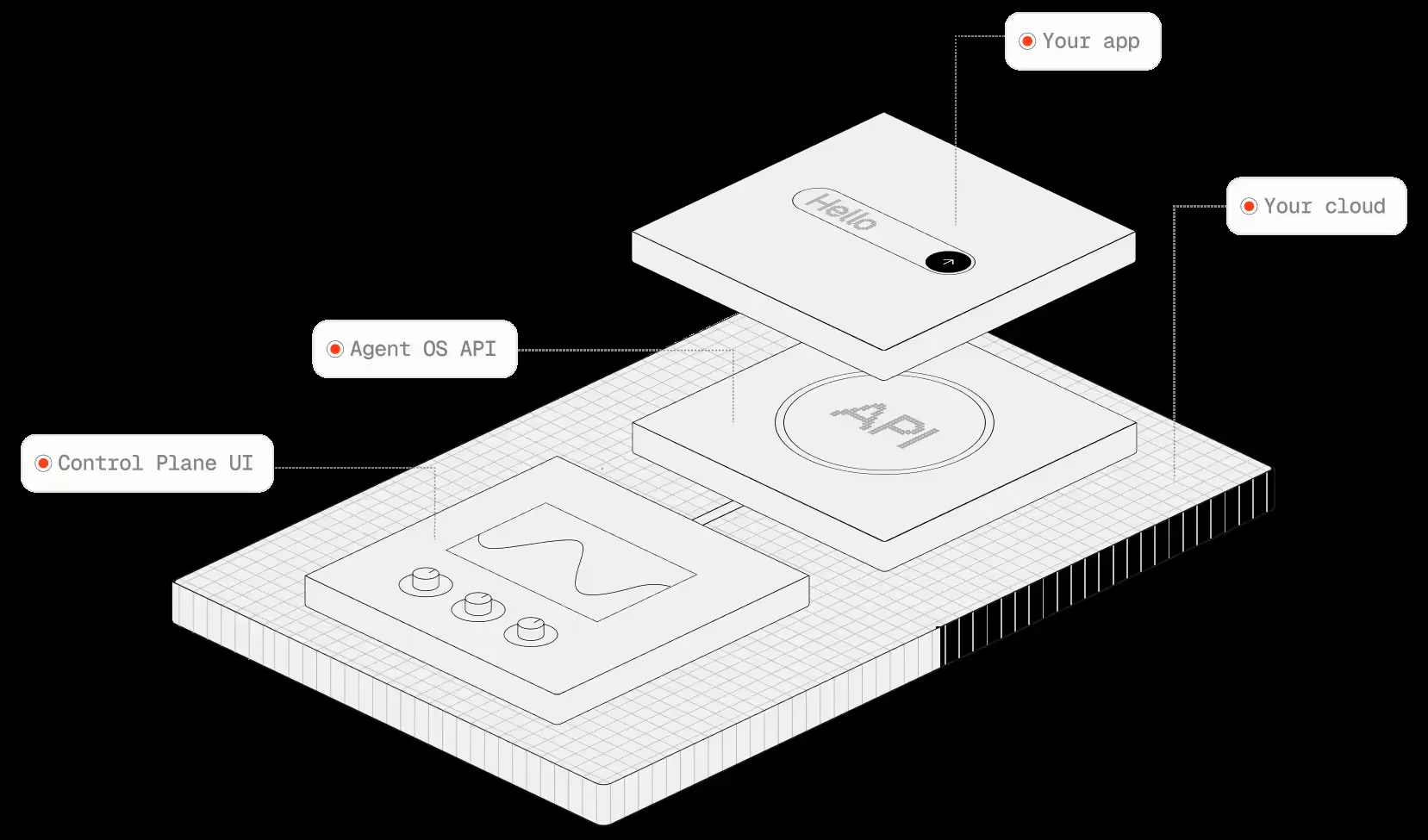
Agno
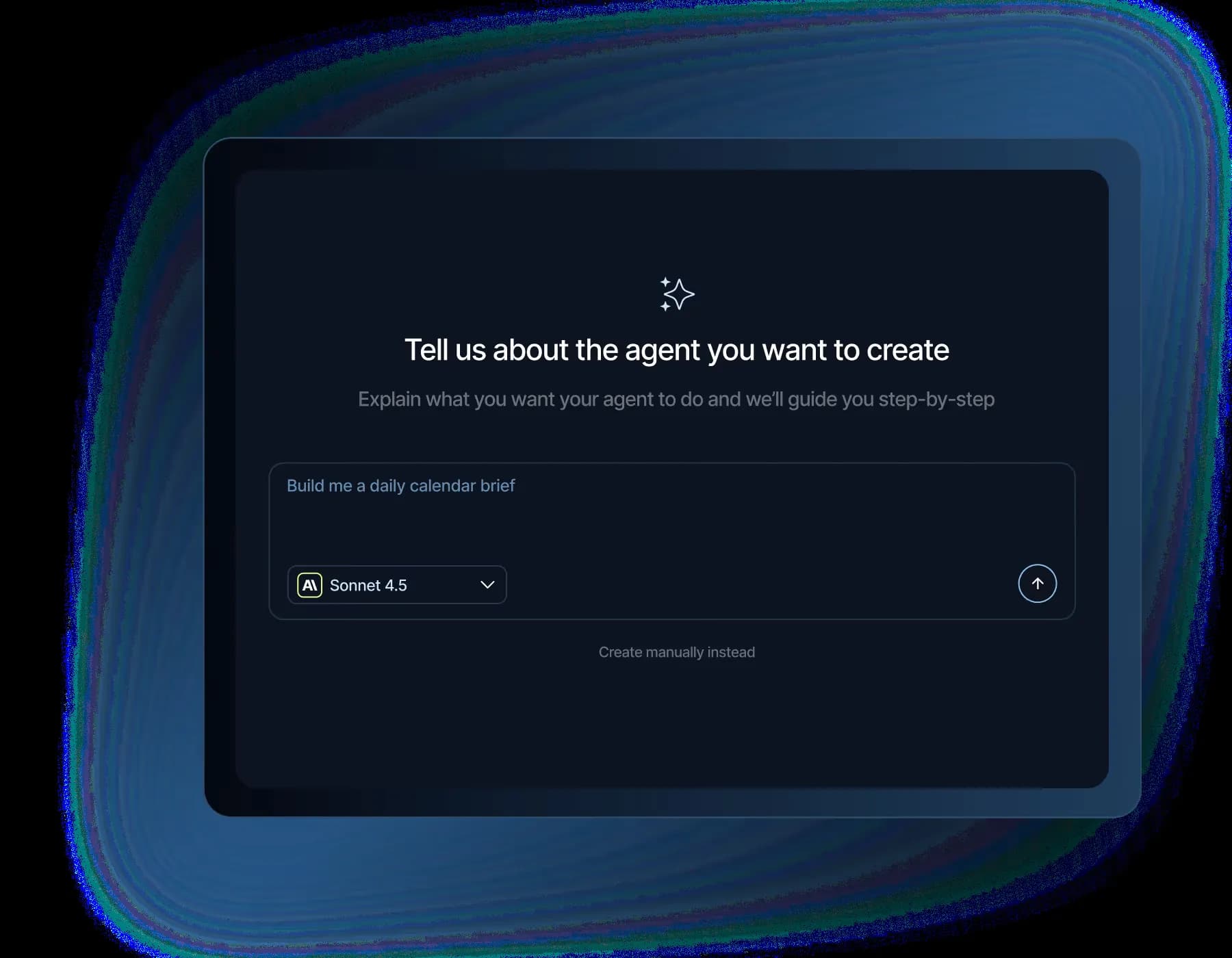
LangChain
Feature Comparison
| Feature | Agno | LangChain |
|---|---|---|
| Building | ||
| Model-agnostic across providers | Full support | Full support |
| Tool calling | Full support | Full support |
| Built-in memory | Full support | Full support |
| Retrieval-augmented generation | Full support | Full support |
| Scale | ||
| Multi-agent coordination | Full support | Full support |
| Explicit graph orchestration | Partial support | Full support |
| Structured output enforcement | Full support | Full support |
| Streaming responses | Full support | Full support |
| Ecosystem | ||
| Large integration catalogue | Partial support | Full support |
| Managed tracing and evaluation product | Partial support | Full support |
| Included runtime for serving agents | Full support | Partial support |
| Large community and examples | Partial support | Full support |
| Engineering | ||
| Small API surface | Full support | Not verified |
| Direct control over prompts sent | Full support | Partial support |
| Python-first | Full support | Full support |
| TypeScript implementation | Not verified | Full support |
Building
Model-agnostic across providers
Tool calling
Built-in memory
Retrieval-augmented generation
Scale
Multi-agent coordination
Explicit graph orchestration
Structured output enforcement
Streaming responses
Ecosystem
Large integration catalogue
Managed tracing and evaluation product
Included runtime for serving agents
Large community and examples
Engineering
Small API surface
Direct control over prompts sent
Python-first
TypeScript implementation
Which approach fits
Agno and LangChain sit at opposite ends of the abstraction question. Agno keeps the surface small: memory, knowledge, tools and multi-agent teams are built in, and an agent is a short Python file with little between your code and the model. LangChain provides several hundred integrations and a surrounding ecosystem that includes LangSmith for tracing and LangGraph for orchestration, with a correspondingly large API to learn.
When each approach fits
Choose Agno if:
Choose Agno when you want a direct path from Python to a working agent without learning a large framework first. Memory, knowledge and tool use are included, teams of agents are supported, and the small surface means you can read the code that builds your prompt. That transparency matters when debugging why a model produced the wrong answer.
Choose LangChain if:
Choose LangChain when integration coverage and ecosystem maturity are what you need. Hundreds of connectors to models, vector stores, document loaders and tools mean the component you need usually already exists, LangSmith provides tracing and evaluation, and LangGraph handles orchestration when the workflow outgrows a simple chain.
These scenarios reflect the available product evidence. Your requirements, existing stack, and team expertise should guide the final decision.
Frequently Asked Questions
Does a smaller framework mean less capability?
Not for the common cases. Tool calling, memory, retrieval and multi-agent coordination are present in both. What a smaller framework gives up is breadth of pre-built integrations, so connecting to an unusual vector store or document format may mean writing the adapter yourself. That is a morning of work for most APIs and worth checking against your specific dependency list.
Why does abstraction size matter?
Because debugging an LLM application means knowing exactly what text was sent to the model. Layers of abstraction that assemble prompts helpfully also make that harder to see, and teams commonly report reading framework source to work out why output changed. A smaller surface keeps the prompt visible. A larger one saves code when the abstractions match what you are building.
What do these need to run?
Python 3.10 or later in both cases, an API key for whichever model provider you use, and somewhere to run the process — a container on Kubernetes, a serverless function, or a FastAPI service behind a REST endpoint returning JSON. Retrieval adds a vector store: PostgreSQL with pgvector, or a dedicated store. Nothing here requires unusual infrastructure; the operational weight is in observability and cost control rather than in hosting.
What does it take to run one of these in production?
Tracing every step with its inputs, outputs, latency and token cost; a hard ceiling on iterations so a loop that fails to converge stops rather than spends; retries that distinguish a transient API error from a model producing unusable output; and evaluation that catches quality regressions when a prompt or model changes. Frameworks differ in how much of that they provide, and the gap is where most of the engineering effort goes.
Is LangChain's ecosystem a real advantage?
Yes, in two specific ways. Integration coverage means less adapter code for anything unusual in your stack. And the volume of examples, questions answered and patterns published means most problems you hit have been hit before, which shortens a first project in a way feature comparisons do not capture.
Can we change frameworks later?
Partly. Prompts, tool definitions and business logic port with moderate editing, because they are mostly your own text and functions. What does not port is orchestration structure and framework-specific memory or retrieval configuration. Keeping prompts and tool implementations in plain Python modules, separate from framework wiring, keeps the option open at little cost.
Which suits a first agent project?
A smaller framework has fewer concepts to learn before the first working agent, and it keeps the model call visible, which is useful knowledge to have before adding abstraction. A large ecosystem pays off once you know what you are building and need integrations. Many teams prototype small and reassess once the requirements stop moving.