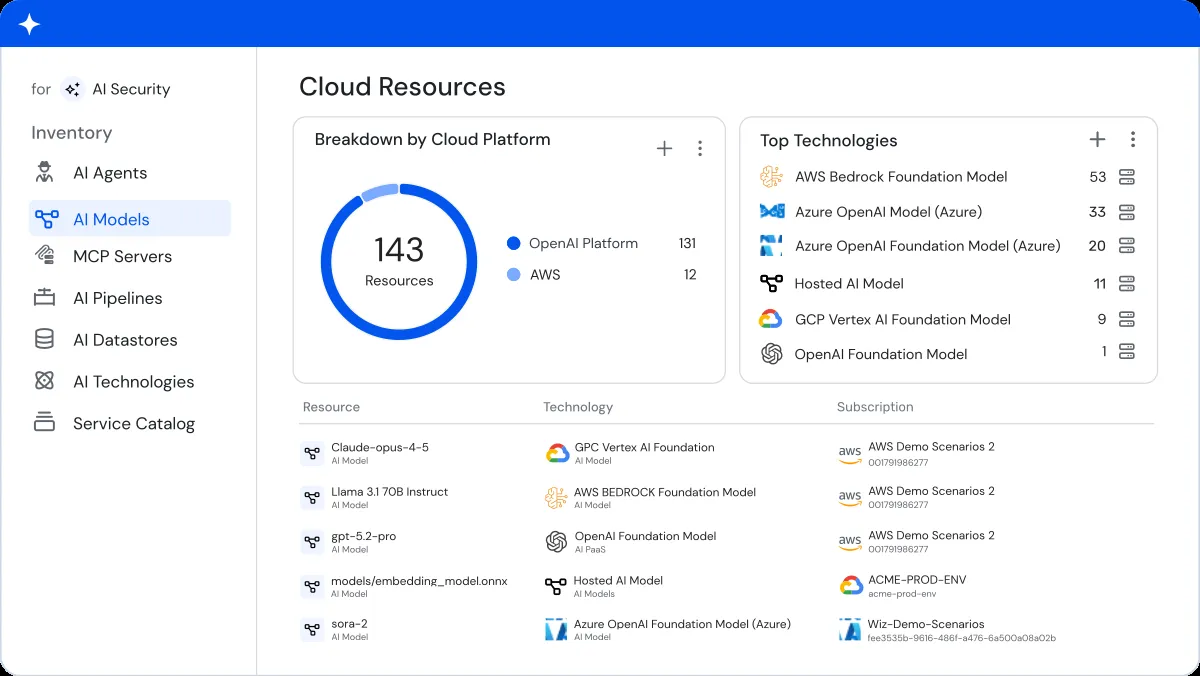
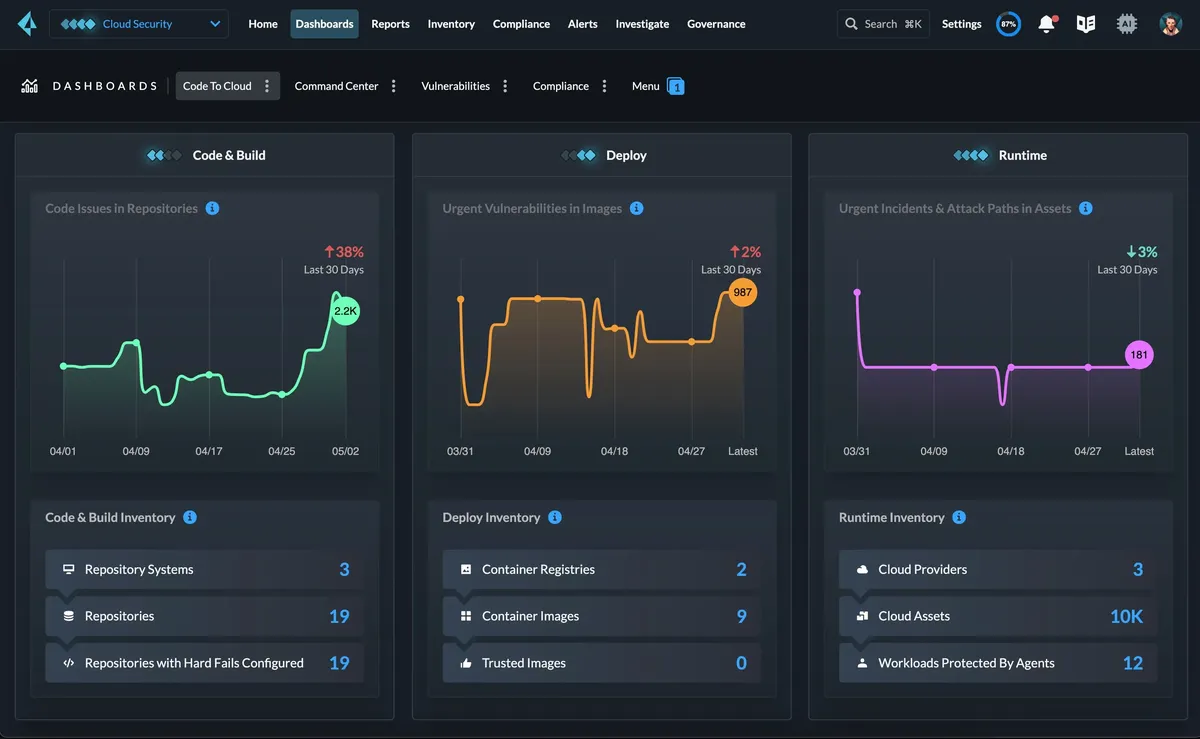
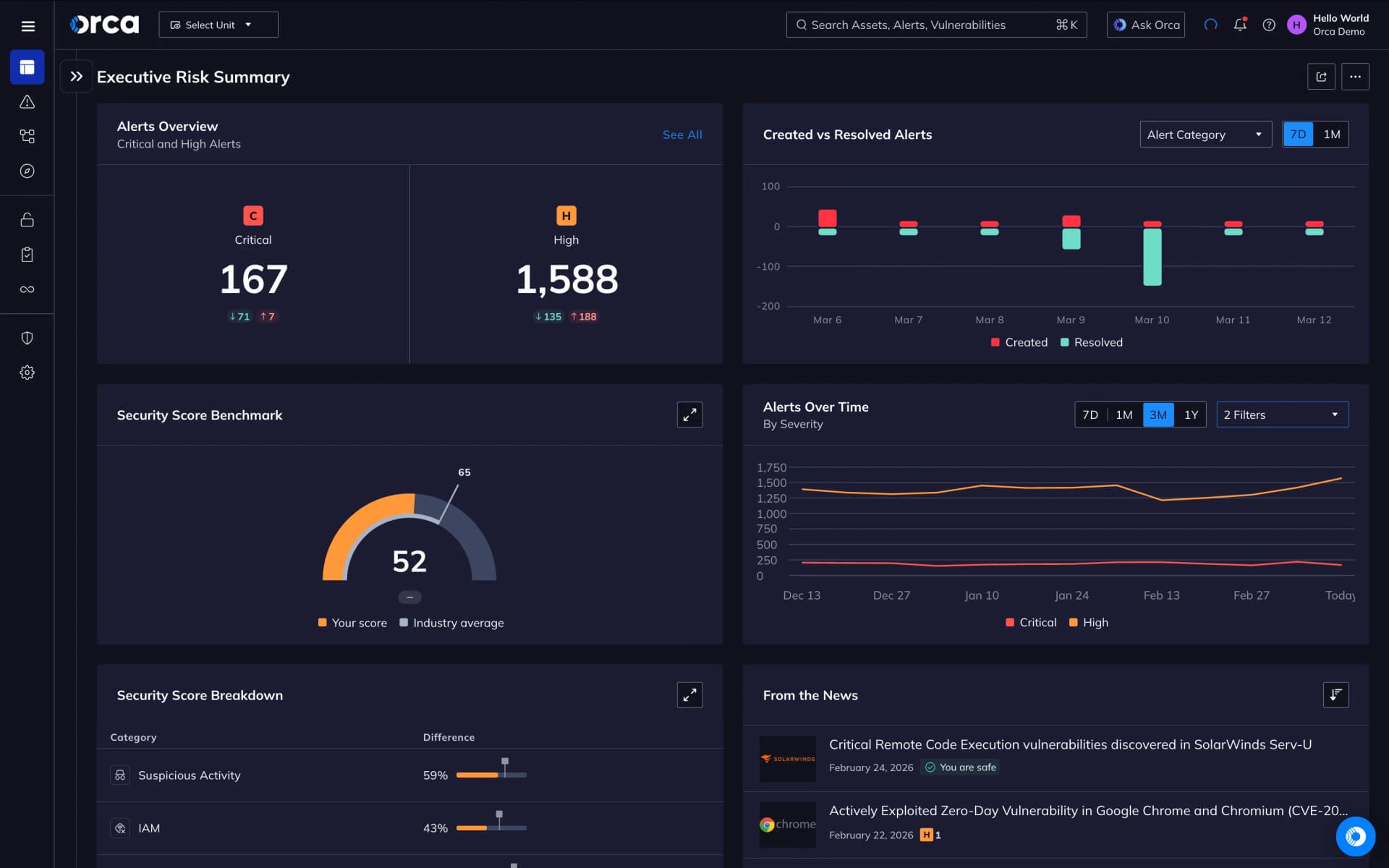
Finding the best security tools for your business means navigating a rapidly shifting landscape of AI-driven threats, identity fraud, and LLM vulnerabilities that traditional solutions were never designed to handle. The security category now spans everything from AI agent protection and prompt injection defense to zero-knowledge file sharing and automated KYC compliance. Whether you need to secure AI-generated code, protect LLM endpoints from adversarial attacks, or verify user identities at scale, the tools below represent the strongest options available today. We evaluated 11 security platforms across pricing, detection capabilities, deployment complexity, and real-world reliability to help you make a confident decision.
How to Choose
AI-Specific Threat Coverage vs. Traditional Security: If your stack includes LLMs or AI agents, you need tools purpose-built for prompt injection, data leakage, and jailbreak attacks. EarlyCore, for example, scans AI agents for these exact vulnerabilities and monitors them in production with a 15-minute setup. Traditional firewalls and WAFs do not catch these threat vectors.
Detection Methodology -- Deterministic vs. Probabilistic: Some tools use rule-based, repeatable checks while others rely on ML models that may produce varying results across scans. Vibio runs 50+ deterministic security checks against your URL or GitHub repository with no hallucinations and consistent output. PromptBrake takes a similar approach with 138 checks across 18 attack categories, providing clear PASS/WARN/FAIL verdicts. Choose deterministic tools when you need audit-grade consistency.
Deployment Model and Integration Requirements: Enterprise security tools vary dramatically in how they plug into your infrastructure. Ethicore Engine Guardian SDK is pip-installable and runs entirely offline with sub-100ms latency, requiring zero cloud dependency. Flarehawk, by contrast, ingests Cloudflare telemetry and includes SSO and Slack integration out of the box. Match the deployment model to your existing stack.
Pricing Transparency and Cost Predictability: Security tool pricing ranges from free tiers to $699/month enterprise plans. Didit v3 offers 500 free KYC checks per month with pay-per-use pricing starting at $0.03 per verification, making costs predictable at any volume. Flarehawk starts at $299/month for its Basic tier. Avoid tools with opaque "contact for pricing" models unless your budget process accommodates unpredictable costs.
Compliance and Data Handling Guarantees: For regulated industries, data residency and retention policies matter. SecureDBX encrypts files in the browser before upload, with decryption keys that never touch their servers. Epherio goes further with AES-256 encryption and customizable self-destruct timers ranging from 1 hour to 30 days. Verify that your chosen tool meets your compliance framework before signing.
Speed of Threat Response: The gap between detection and remediation defines your actual security posture. CodeWatchdog delivers scan results in 60 seconds with a 0-100 security score and severity ratings. Flarehawk provides one-click remediation and autonomous investigation, turning alerts into actionable fixes without analyst intervention.
Top Tools
DefenceNet
DefenceNet is an AI-powered phishing protection platform that detects malicious URLs in real time using advanced machine learning rather than traditional blacklists. This approach allows it to catch zero-day phishing attacks, smishing, and sophisticated fraud links that signature-based tools miss entirely, achieving 96%+ detection accuracy. Its lightweight runtime of just 50MB makes it deployable on constrained infrastructure without performance concerns.
Best suited for: SMBs and enterprises facing high volumes of phishing and smishing attacks across email, SMS, and web channels.
Pricing: Enterprise pricing (contact for quote). Available via API or on-premises deployment.
Limitation: The enterprise-only pricing model with no published rates makes it difficult for smaller teams to evaluate cost before engaging with sales.
PromptBrake
PromptBrake is a dedicated LLM security testing platform that stress-tests your AI endpoints with 60+ real attack prompts across 12 distinct security checks, catching prompt injection, data leaks, tool misuse, and policy bypasses. It works with any OpenAI-, Claude-, or Gemini-compatible API and produces exportable reports suitable for CI/CD release gates. The endpoint-only testing approach means zero application code changes or agent installation required.
Best suited for: Engineering teams shipping LLM-powered products that need automated security validation in their CI/CD pipeline.
Pricing: Scout plan at $79/month (18 scans/month), Pro plan at $149/month (25 scans/month with exports, CI keys, and release gating).
Limitation: Scan volume caps at 18-25 scans per month, which may be insufficient for teams running frequent deployments across multiple LLM endpoints.
Flarehawk
Flarehawk acts as an autonomous control layer for security operations, ingesting Cloudflare telemetry and transforming thousands of daily alerts into structured investigations with one-click remediation plans. Its ML engine builds a behavioral model unique to your environment and improves over time. The platform includes 5-year log retention, SSO, and native Slack integration.
Best suited for: Security operations teams running Cloudflare Enterprise that are overwhelmed by alert volume and need automated investigation and remediation.
Pricing: Basic at $299/month, Complete at $699/month, Enterprise custom pricing. Currently in open beta.
Limitation: Tightly coupled to Cloudflare Enterprise -- if your infrastructure uses a different CDN or WAF provider, Flarehawk is not applicable.
EarlyCore
EarlyCore provides pre-deployment scanning and real-time production monitoring for AI agents, targeting prompt injection, data leakage, and jailbreak vulnerabilities. It integrates with AWS Bedrock, Gemini Enterprise Agent Platform (formerly Vertex AI), and custom stacks, and claims a 15-minute setup time. The platform scans agents before they ship and continues monitoring them in production, catching attacks that only surface under real-world usage.
Best suited for: Teams deploying AI agents on major cloud platforms that need both pre-ship security validation and ongoing production monitoring.
Pricing: Enterprise pricing (contact for quote).
Limitation: Enterprise-only pricing and limited public documentation make it hard to assess fit without a sales conversation, which slows down evaluation for fast-moving AI teams.
CodeWatchdog
CodeWatchdog combines Claude-powered AI scanning with senior engineer audits to review AI-generated and vibe-coded codebases. It catches logic errors, access control gaps, reentrancy bugs, and anti-patterns that LLMs consistently produce, delivering results in 60 seconds with a 0-100 security score, severity ratings, and a PDF report with specific fix recommendations. The platform signs NDAs before any code is shared and retains zero code after review.
Best suited for: Startups and teams shipping AI-generated code rapidly that need security validation without slowing down their workflow.
Pricing: Freemium model with a free tier for 1 user, Pro at $9/month. Human expert review available from $499.
Limitation: The human review tier at $499 per audit is expensive for teams that need frequent reviews, and the free tier is limited to a single user.
Didit v3
Didit v3 consolidates KYC, biometrics, liveness detection, and fraud prevention into a single unified platform, replacing the need for multiple fragmented identity vendors. It offers 500 free verification checks per month with pay-per-use pricing starting at just $0.03 per user, scaling through tiers up to $1.35 per check depending on verification complexity. The no-code workflow builder with drag-and-drop visual editor and auto-approve/auto-reject rules means compliance teams can design verification flows without engineering resources.
Best suited for: Fintechs, marketplaces, and regulated businesses that need scalable, transparent KYC with no contracts or minimum commitments.
Pricing: 500 free checks/month, then usage-based starting at $0.03 per user. No contracts, no setup fees, no monthly minimums. A $149/month tier is available for higher volumes.
Limitation: GDPR and ISO 27001 certified, but teams operating under other regulatory frameworks (SOC 2, HIPAA) should verify compliance coverage before committing.
Comparison Table
| Tool | Best For | Pricing | Key Strength |
|---|---|---|---|
| DefenceNet | Phishing and smishing defense | Enterprise (contact) | 96%+ detection accuracy with 50MB runtime |
| PromptBrake | LLM endpoint security testing | $499/mo | 138 checks across 18 attack categories |
| Flarehawk | Security operations automation | $299-$699/mo | Autonomous investigation with 5-year log retention |
| EarlyCore | AI agent security monitoring | Enterprise (contact) | 15-minute setup with Bedrock and Gemini Enterprise Agent Platform support |
| CodeWatchdog | AI-generated code review | Free/$9/mo (human review from $499) | 60-second scans with Claude-powered AI + human audits |
| Didit v3 | KYC and identity verification | $0.03/check (500 free/mo) | No-code workflow builder with auto-approve rules |
Our Methodology
Our evaluation of security tools in 2026 reflects the fundamental shift in the threat landscape: AI-generated code, LLM-powered applications, and increasingly sophisticated phishing attacks demand specialized defenses that traditional security platforms were not built to address. We assessed each tool across five weighted dimensions specific to the security category.
Detection accuracy and coverage received the highest weight. We examined whether each tool addresses its claimed threat categories with verifiable methodology -- for instance, whether detection uses deterministic rule-based checks, ML-based behavioral analysis, or both. Tools that publish specific accuracy metrics, like DefenceNet's 96%+ detection rate or PromptBrake's 138 checks across 18 attack categories, scored higher than those making vague claims.
Deployment friction and time-to-value were critical differentiators. We favored tools with documented setup timelines (EarlyCore's 15-minute onboarding, Ethicore Guardian SDK's pip-installable approach) over those requiring lengthy enterprise integrations. Pricing transparency was weighted significantly -- tools offering clear published pricing with free tiers or pay-per-use models (Didit v3's $0.03/check, CodeWatchdog's $9/month Pro tier) received higher marks than opaque "contact sales" models.
We also evaluated data handling practices, looking for zero-knowledge architectures, encryption standards, and code retention policies. Finally, we assessed integration breadth -- how well each tool fits into existing CI/CD pipelines, cloud platforms, and communication tools. All 11 tools in the category were reviewed; the top 6 were selected based on the combination of these factors, real user engagement data, and the editorial judgment of our team.
Frequently Asked Questions
What is the biggest security risk with AI-generated code in 2026?
The primary risk is that AI models consistently produce specific categories of vulnerable code patterns -- access control gaps, reentrancy bugs, and logic errors that traditional SAST tools do not flag because the code is syntactically correct. CodeWatchdog's approach of combining Claude-powered scanning with senior engineer review specifically targets these AI anti-patterns, delivering a structured PDF report with fix recommendations in 60 seconds. Teams shipping vibe-coded or AI-generated applications should treat AI-specific code review as a non-negotiable step in their deployment process.
How do I protect LLM endpoints from prompt injection attacks?
Three tools in this category directly address prompt injection: PromptBrake stress-tests endpoints with 60+ real attack prompts and integrates into CI/CD pipelines with PASS/WARN/FAIL verdicts; EarlyCore scans AI agents before deployment and monitors them in production across Bedrock and Gemini Enterprise Agent Platform; and Ethicore Engine Guardian SDK provides a pip-installable defense layer with three detection tiers including pattern matching, ONNX semantic embeddings, and ML behavioral inference, all running with sub-100ms latency and zero cloud dependency. The right choice depends on whether you need pre-deployment testing, runtime protection, or both.
Is there a free security tool suitable for startups?
Several tools offer meaningful free tiers. Didit v3 provides 500 free KYC checks per month with no contracts or setup fees, making it viable for early-stage identity verification needs. CodeWatchdog offers a free tier for a single user, covering basic AI code scanning. Vibio provides a free plan with 50+ deterministic security checks against URLs or GitHub repositories, with paid plans starting at $29/month when you need deeper AI-powered reviews. SecureDBX is open source and requires no account for zero-knowledge encrypted file sharing.
What should I look for in an AI agent security platform?
An AI agent security platform must cover three phases: pre-deployment scanning, real-time production monitoring, and incident response. EarlyCore handles the first two with a 15-minute setup across major cloud providers. Look for specific threat categories beyond generic "AI security" claims -- prompt injection, data leakage, and jailbreak detection are the minimum required coverage. Verify whether the tool works with your specific LLM provider stack (OpenAI, Anthropic, open-source models) and whether it runs inline with sub-100ms latency, as Ethicore Guardian SDK does, or operates as an asynchronous scanning layer.