Decision comparison
LangChain vs OpenAI
LangChain and OpenAI serve fundamentally different roles in the AI stack. LangChain is an orchestration layer that lets you build model-agnostic agent workflows, while OpenAI provides the frontier models and a growing agent platform. Many teams use both together, but choosing one as your primary platform depends on whether you need multi-provider flexibility or want the simplest path to deploying agents with OpenAI models.
Used together. These are normally used together rather than chosen between. The comparison explains what each one does in the stack.
These are different kinds of product — Agent Framework and Foundation Model Provider.
Quick Comparison
| Decision factor | LangChain | OpenAI |
|---|---|---|
| Primary Focus | Agent engineering framework and orchestration platform | Frontier AI model provider and agent platform |
| Pricing Model | $0 / seat (Developer), $39 / seat | Contact for pricing |
| Open Source | Yes, MIT license with 146,000+ GitHub stars | No, proprietary API-based platform |
| Agent Orchestration | Full multi-agent orchestration via LangGraph with checkpointing and human-in-the-loop | Agent Builder (visual) and Agents SDK (code-first) with ChatKit deployment |
| Model Flexibility | Model-agnostic: works with OpenAI, Anthropic, Google, and other providers | Locked to OpenAI models (GPT-5.4, GPT-5.4 mini, GPT-5.4 nano) |
| Community Size | 146,000+ GitHub stars, 100M+ monthly open source downloads | Rated 9.2/10 across 41 reviews on our platform |
LangChain
- Primary Focus:
- Agent engineering framework and orchestration platform
- Pricing Model:
- $0 / seat (Developer), $39 / seat
- Open Source:
- Yes, MIT license with 146,000+ GitHub stars
- Agent Orchestration:
- Full multi-agent orchestration via LangGraph with checkpointing and human-in-the-loop
- Model Flexibility:
- Model-agnostic: works with OpenAI, Anthropic, Google, and other providers
- Community Size:
- 146,000+ GitHub stars, 100M+ monthly open source downloads
OpenAI
- Primary Focus:
- Frontier AI model provider and agent platform
- Pricing Model:
- Contact for pricing
- Open Source:
- No, proprietary API-based platform
- Agent Orchestration:
- Agent Builder (visual) and Agents SDK (code-first) with ChatKit deployment
- Model Flexibility:
- Locked to OpenAI models (GPT-5.4, GPT-5.4 mini, GPT-5.4 nano)
- Community Size:
- Rated 9.2/10 across 41 reviews on our platform
Public signals
Verified factual signals only. Bars appear only for like-for-like metrics with five weekly assessments for every tool; missing evidence stays explicit. These signals do not establish enterprise adoption, product quality, or total cost.
| Metric | LangChain | OpenAI |
|---|---|---|
| GitHub commits, 90d(Product adoption) | 541 | Not available |
| GitHub stars(Product adoption) | 146,000+ | Not available |
| Search interest(Market interest) | 14 | 459 |
| Hacker News mentions, 90d(Community interest) | 31 | 1.5k |
| npm weekly downloads(Product adoption) | 2.1M | Not available |
| PyPI weekly downloads(Product adoption) | 38.2M | Not available |
| Stack Overflow questions(Community interest) | 2.0k | 2.5k |
| GitHub commits, 90d(Developer adoption) | Not available | 129 |
| GitHub stars(Developer adoption) | Not available | 31,000+ |
| Hugging Face downloads(Product adoption) | Not available | 44.3M |
| Hugging Face likes(Product adoption) | Not available | 14.1k |
| npm weekly downloads(Developer adoption) | Not available | 29.5M |
| Product Hunt comments(Community interest) | Not available | 1 |
| Product Hunt rating(Community interest) | Not available | 5.0/5 |
| Product Hunt reviews(Community interest) | Not available | 1 |
| Product Hunt votes(Community interest) | Not available | 7 |
| PyPI weekly downloads(Developer adoption) | Not available | 65.5M |
As of September 14, 2026 — updated weekly.
Health & risk evidence
Observed public-source checks for mapped package versions and repositories.
LangChain
September 14, 2026Package vulnerabilities
npm · langchain@1.5.11 · PyPI · langchain@1.4.0
0 vulnerabilities
across 2 packages
Repository security score
Not available
OpenAI
September 14, 2026Package vulnerabilities
npm · openai@7.15.0 · PyPI · openai@3.13.0
0 vulnerabilities
across 2 packages
Repository security score
Not available
Interface Preview
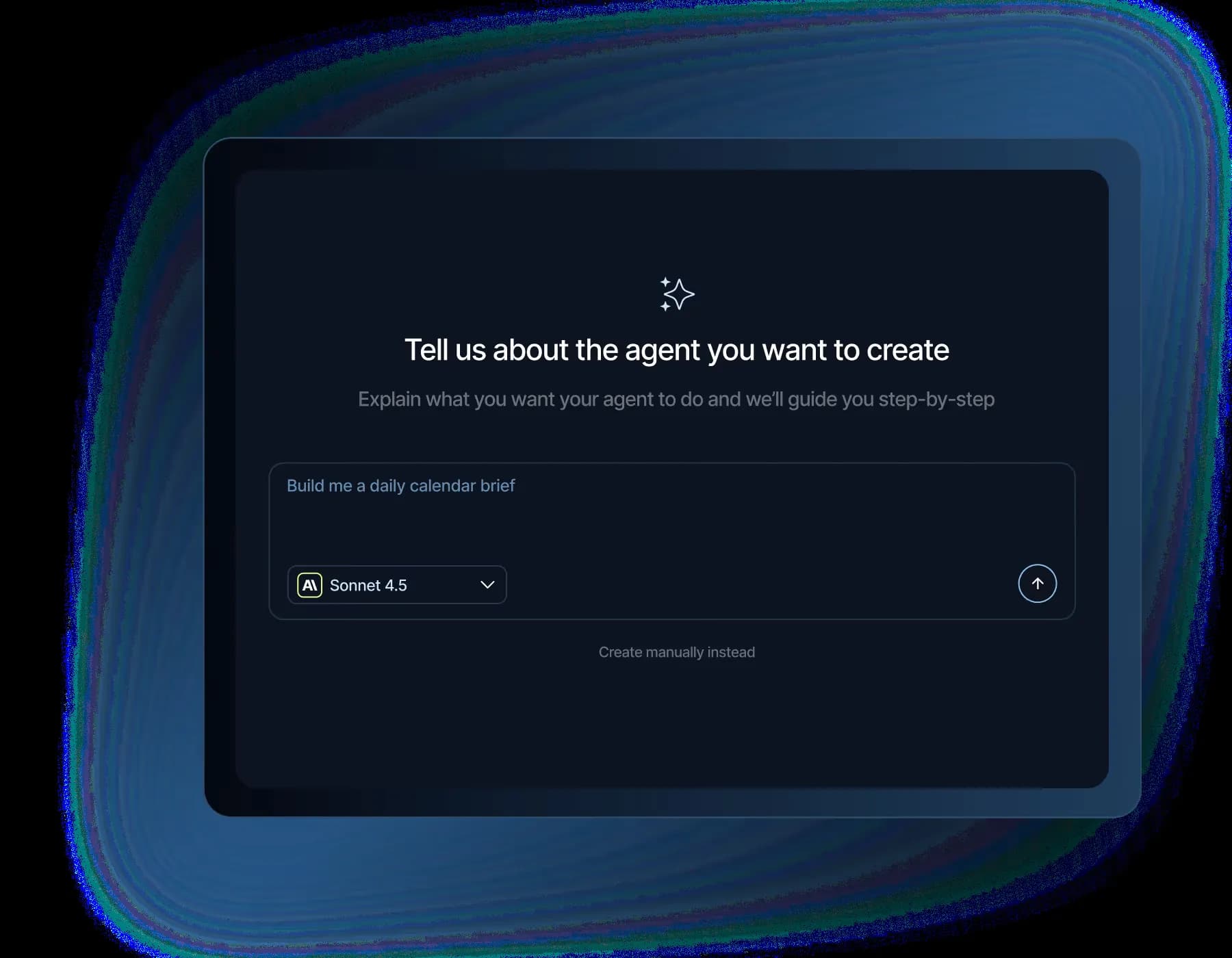
LangChain
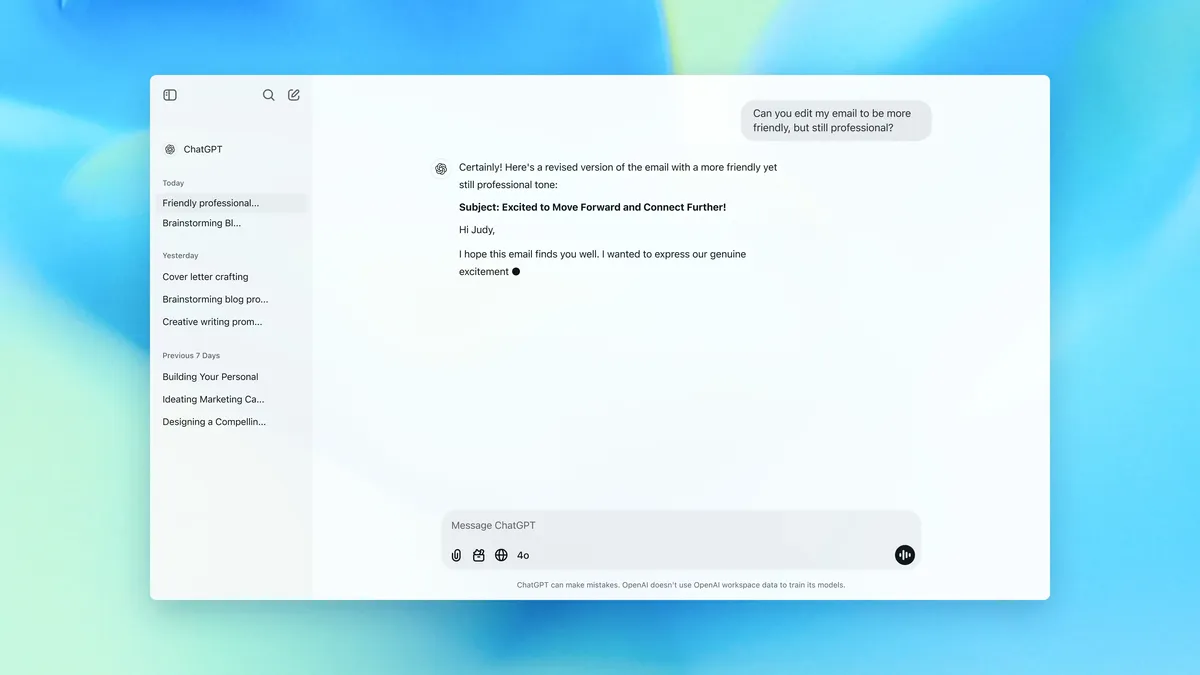
OpenAI
Feature Comparison
| Feature | LangChain | OpenAI |
|---|---|---|
| Core Capabilities | ||
| LLM Model Support | Multi-provider: OpenAI, Anthropic, Google Gemini, and more | GPT-5.6 Sol Input: $4.00 per 1M tokens Output: $20.00 per 1M tokens 1.05M context length 128K max output tokens |
| Agent Framework | LangGraph for stateful, multi-step agent workflows with branching logic | Agents SDK for code-first agents; Agent Builder for visual canvas |
| Context Window | Depends on chosen model provider | Up to 1.05M context length with GPT-5.4 |
| Developer Experience | ||
| SDK Languages | Python, TypeScript, Go, Java SDKs | Python and TypeScript SDKs with REST API |
| Observability and Tracing | LangSmith tracing with structured timelines, analytics, and AI-driven insights | Built-in eval framework for measuring agentic performance |
| Evaluation Tools | LLM-as-judge, multi-turn evals, human feedback annotations, eval calibration | Evals for agentic performance, prompt optimization, and fine-tuning |
| Deployment and Operations | ||
| Deployment Model | Self-hosted or LangSmith cloud with durable checkpointing and fault tolerance | Cloud API with ChatKit for customizable front-end agentic experiences |
| Multi-Agent Support | Deep Agents framework for long-running autonomous agents and agent swarms | Agent Builder supports multi-step workflows with tool orchestration |
| Human-in-the-Loop | Native support for human-in-the-loop interactions and annotation queues | Supported through Agents SDK with input concurrency and background agents |
| Enterprise Features | ||
| Security and Compliance | Enterprise tier with custom security and admin controls | SOC 2 Type 2, HIPAA BAA, data encryption (AES-256, TLS 1.2+), SSO/MFA |
| Data Privacy | Self-hosted option provides full data control | Zero data retention policy by request, no training on customer data |
| Scalability | Distributed runtime for agent swarms with fault-tolerant infrastructure | Enterprise-grade API with data residency controls and IP allowlisting |
| Ecosystem and Integration | ||
| Protocol Support | Native A2A and MCP protocol support for agent interoperability | Realtime API for voice agents and rich customer experiences |
| Third-Party Integrations | Modular component architecture with extensive third-party chain library | API-first design with Playground for testing and migration guides |
| Open Source Ecosystem | LangChain, LangGraph, and Deep Agents frameworks all open source under MIT | Proprietary platform with published API documentation |
Core Capabilities
LLM Model Support
Agent Framework
Context Window
Developer Experience
SDK Languages
Observability and Tracing
Evaluation Tools
Deployment and Operations
Deployment Model
Multi-Agent Support
Human-in-the-Loop
Enterprise Features
Security and Compliance
Data Privacy
Scalability
Ecosystem and Integration
Protocol Support
Third-Party Integrations
Open Source Ecosystem
How they fit together
LangChain and OpenAI serve fundamentally different roles in the AI stack. LangChain is an orchestration layer that lets you build model-agnostic agent workflows, while OpenAI provides the frontier models and a growing agent platform. Many teams use both together, but choosing one as your primary platform depends on whether you need multi-provider flexibility or want the simplest path to deploying agents with OpenAI models.
What each one handles
Use LangChain for:
Choose LangChain when you need model flexibility across multiple providers, want full control over agent orchestration logic, or require open-source frameworks you can self-host. LangChain is the stronger choice for teams building complex multi-agent systems with branching workflows, human-in-the-loop requirements, and production observability through LangSmith. The free Developer tier and MIT-licensed open source code make it accessible for startups and individual developers who want to avoid vendor lock-in.
Use OpenAI for:
Choose OpenAI when you want the most capable frontier models with the simplest integration path. OpenAI is the better fit for teams that are already committed to GPT-5.4 and want a unified platform covering model access, agent building, evaluation, and deployment. The usage-based pricing with models like GPT-5.4 nano at $0.20 per 1M input tokens makes it cost-effective for high-volume use cases, and enterprise features like SOC 2 Type 2 compliance and HIPAA BAA support make it ready for regulated industries.
These roles reflect the available product evidence. Most teams run both; which one owns a given job depends on your stack and team.
Frequently Asked Questions
Can I use LangChain with OpenAI models?
Yes. LangChain is model-agnostic and has first-class support for OpenAI models through its modular architecture. Many teams use LangChain as the orchestration layer while calling GPT-5.4 or GPT-5.4 mini through the OpenAI API. This combination gives you LangChain's observability and multi-agent workflows with OpenAI's frontier model capabilities.
Which platform is more cost-effective for startups?
LangChain offers a free Developer tier that includes up to 5,000 base traces per month, tracing, evaluations, and one Fleet agent. OpenAI uses pure usage-based pricing starting at $0.20 per 1M input tokens for GPT-5.4 nano. For teams experimenting with agent architectures, LangChain's free tier and open-source frameworks provide a lower barrier to entry. For teams focused on model inference at scale, OpenAI's pay-as-you-go pricing can be more predictable.
Does OpenAI have an equivalent to LangSmith?
OpenAI offers evaluation tools for measuring agentic performance and prompt optimization, but it does not have a direct equivalent to LangSmith's full observability platform. LangSmith provides structured tracing, message threading for multi-turn interactions, AI-driven analytics, and annotation queues for human feedback. OpenAI's tooling focuses more on model-level evaluation and fine-tuning rather than end-to-end agent lifecycle management.
Which platform is better for enterprise deployments?
Both platforms support enterprise use cases, but they emphasize different strengths. OpenAI offers SOC 2 Type 2 compliance, HIPAA BAA, zero data retention, data residency controls, SSO/MFA, and dedicated account teams. LangChain's enterprise offering focuses on self-hosted deployment options for full data control, custom security configurations, and admin features. OpenAI has the edge in out-of-the-box compliance certifications, while LangChain gives enterprises more architectural control.