Decision comparison
Amazon SageMaker vs Google Cloud AI Platform
Amazon SageMaker and Google Cloud AI Platform (Vertex AI) are both comprehensive MLOps platforms that cover the full machine learning lifecycle. SageMaker offers close AWS ecosystem integration with an extensive set of specialized sub-services, while Vertex AI is prominent in generative AI model access with its 200+ model garden. The right choice depends primarily on your existing cloud provider commitment and whether your priority is traditional ML operations or generative AI development.
MLOps
Last Updated:
Quick Comparison
| Decision factor | Amazon SageMaker | Google Cloud AI Platform |
|---|---|---|
| ML Training Infrastructure | HyperPod distributed training with auto-recovery on P4/P5 GPU instances, starting at $0.23/hr for ml.m5.xlarge | Custom training on scalable GPU/TPU clusters with Vertex AI Training, starting at $2.22/hr for classification workloads |
| Model Deployment | Real-time, serverless, and async inference endpoints with shadow testing and auto-scaling on managed EC2 instances | Batch and online prediction endpoints with Model Registry integration and optimized AI infrastructure deployment |
| Generative AI Access | Foundation model access via JumpStart and Amazon Bedrock integration within SageMaker Unified Studio environment | Access to 200+ models including Gemini 3, Claude, Llama via Model Garden with Vertex AI Studio prompt design |
| Development Environment | SageMaker Studio IDE with JupyterLab, Canvas no-code builder, and Amazon Q Developer AI assistant integration | Vertex AI Notebooks with Colab Enterprise or Workbench, natively integrated with BigQuery for data workflows |
| MLOps Capabilities | SageMaker Pipelines CI/CD, Model Registry, Clarify bias detection, and Model Monitor for drift with 8.8/10 user rating | Vertex AI Pipelines orchestration, Feature Store, Model Evaluation, and automated model monitoring for skew and drift |
| Pricing Model | Pricing based on instance hours and data processing; free tier not available | Pay-as-you-go pricing based on usage of services like training, prediction, and managed machine learning services. |
Amazon SageMaker
- ML Training Infrastructure:
- HyperPod distributed training with auto-recovery on P4/P5 GPU instances, starting at $0.23/hr for ml.m5.xlarge
- Model Deployment:
- Real-time, serverless, and async inference endpoints with shadow testing and auto-scaling on managed EC2 instances
- Generative AI Access:
- Foundation model access via JumpStart and Amazon Bedrock integration within SageMaker Unified Studio environment
- Development Environment:
- SageMaker Studio IDE with JupyterLab, Canvas no-code builder, and Amazon Q Developer AI assistant integration
- MLOps Capabilities:
- SageMaker Pipelines CI/CD, Model Registry, Clarify bias detection, and Model Monitor for drift with 8.8/10 user rating
- Pricing Model:
- Pricing based on instance hours and data processing; free tier not available
Google Cloud AI Platform
- ML Training Infrastructure:
- Custom training on scalable GPU/TPU clusters with Vertex AI Training, starting at $2.22/hr for classification workloads
- Model Deployment:
- Batch and online prediction endpoints with Model Registry integration and optimized AI infrastructure deployment
- Generative AI Access:
- Access to 200+ models including Gemini 3, Claude, Llama via Model Garden with Vertex AI Studio prompt design
- Development Environment:
- Vertex AI Notebooks with Colab Enterprise or Workbench, natively integrated with BigQuery for data workflows
- MLOps Capabilities:
- Vertex AI Pipelines orchestration, Feature Store, Model Evaluation, and automated model monitoring for skew and drift
- Pricing Model:
- Pay-as-you-go pricing based on usage of services like training, prediction, and managed machine learning services.
Adoption & Momentum
Comparable public signals only; they do not establish enterprise adoption, product quality, or total cost. Product Hunt signals reflect launch engagement.
| Metric | Amazon SageMaker | Google Cloud AI Platform |
|---|---|---|
| PyPI weekly downloads | 4.4M | 37.2M |
As of 2026-08-10 — updated weekly.
Interface Preview
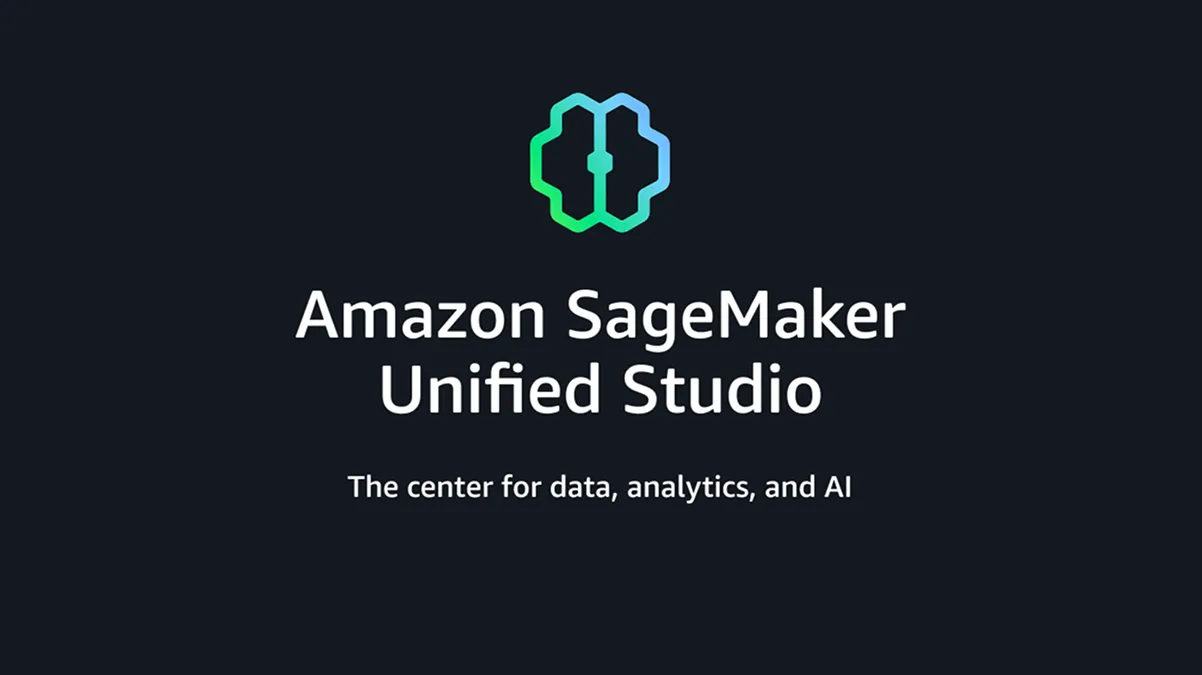
Amazon SageMaker
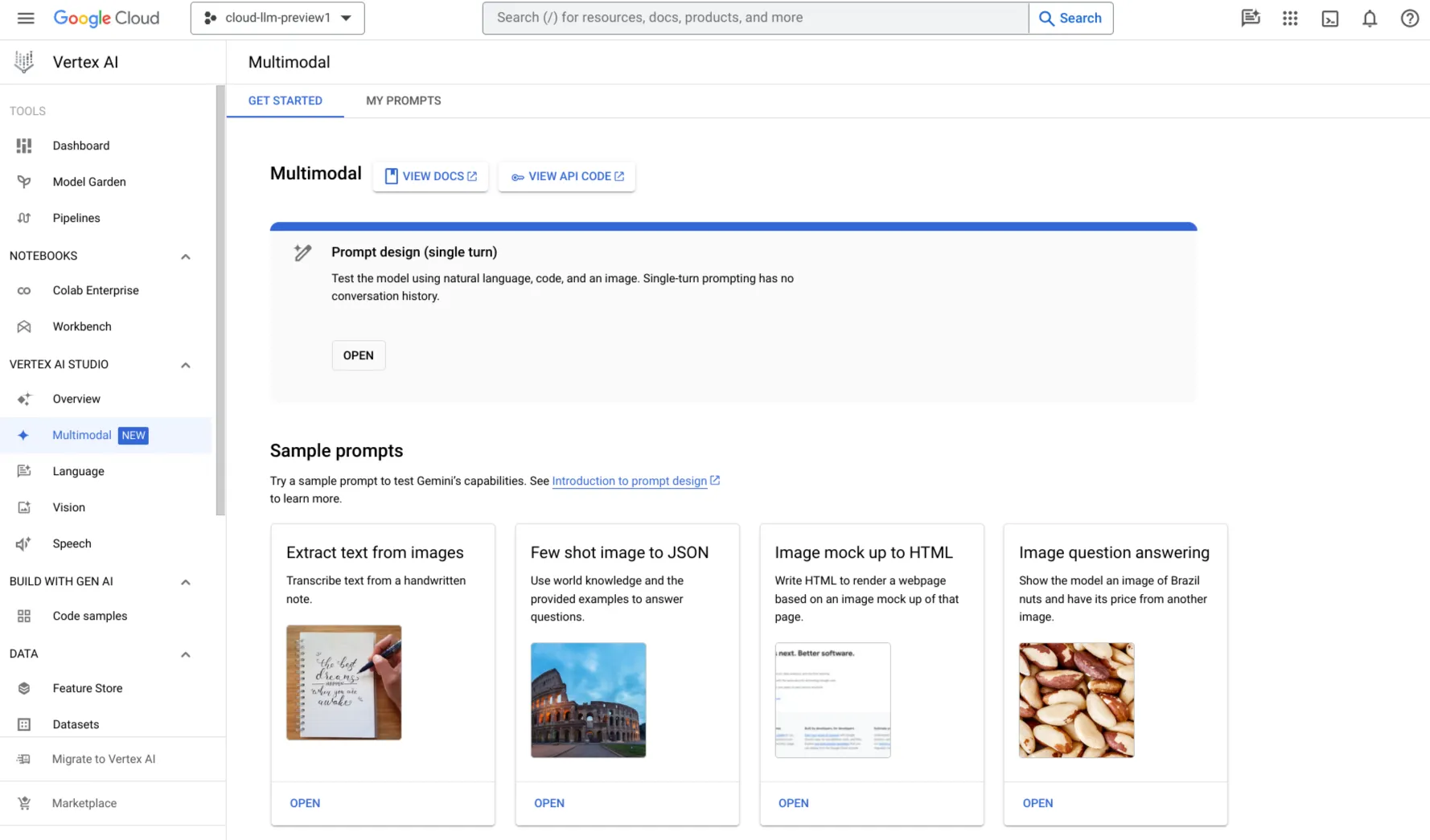
Google Cloud AI Platform
Feature Comparison
| Feature | Amazon SageMaker | Google Cloud AI Platform |
|---|---|---|
| Distributed Training | — | — |
| AutoML Capabilities | — | — |
| Hyperparameter Tuning | — | — |
| Model Registry | — | — |
| Inference Options | — | — |
| Edge Deployment | — | — |
| Feature Store | — | — |
| Data Preparation | — | — |
| Data Governance | — | — |
| Foundation Model Access | — | — |
| Prompt Engineering | — | — |
| Agent Development | — | — |
| Bias Detection | — | — |
| Model Monitoring | — | — |
| Model Cards & Documentation | — | — |
Distributed Training
Amazon SageMaker—
Google Cloud AI Platform—
AutoML Capabilities
Amazon SageMaker—
Google Cloud AI Platform—
Hyperparameter Tuning
Amazon SageMaker—
Google Cloud AI Platform—
Model Registry
Amazon SageMaker—
Google Cloud AI Platform—
Inference Options
Amazon SageMaker—
Google Cloud AI Platform—
Edge Deployment
Amazon SageMaker—
Google Cloud AI Platform—
Feature Store
Amazon SageMaker—
Google Cloud AI Platform—
Data Preparation
Amazon SageMaker—
Google Cloud AI Platform—
Data Governance
Amazon SageMaker—
Google Cloud AI Platform—
Foundation Model Access
Amazon SageMaker—
Google Cloud AI Platform—
Prompt Engineering
Amazon SageMaker—
Google Cloud AI Platform—
Agent Development
Amazon SageMaker—
Google Cloud AI Platform—
Bias Detection
Amazon SageMaker—
Google Cloud AI Platform—
Model Monitoring
Amazon SageMaker—
Google Cloud AI Platform—
Model Cards & Documentation
Amazon SageMaker—
Google Cloud AI Platform—
Decision Summary
Amazon SageMaker and Google Cloud AI Platform (Vertex AI) are both comprehensive MLOps platforms that cover the full machine learning lifecycle. SageMaker offers close AWS ecosystem integration with an extensive set of specialized sub-services, while Vertex AI is prominent in generative AI model access with its 200+ model garden. The right choice depends primarily on your existing cloud provider commitment and whether your priority is traditional ML operations or generative AI development.
Best-fit scenarios
Choose Amazon SageMaker if:
We recommend Amazon SageMaker for teams already invested in the AWS ecosystem who need a battle-tested platform for traditional machine learning workflows. SageMaker excels at industrial-scale model training with HyperPod distributed clusters, comprehensive MLOps tooling including Pipelines and Model Monitor, and deep integration with S3, Redshift, and other AWS services through its Unified Studio. The free tier covering 250 hours of notebook usage, 50 hours of training, and 125 hours of hosting makes it accessible for evaluation. Choose SageMaker when you need granular infrastructure control, proven edge deployment capabilities, and a mature governance framework with Clarify bias detection and Model Cards.
Choose Google Cloud AI Platform if:
We recommend Google Cloud AI Platform (Vertex AI) for organizations prioritizing generative AI development and access to the widest variety of foundation models. Vertex AI provides immediate access to 200+ models including Gemini 3, Claude, and Llama through Model Garden, plus purpose-built tools like Agent Builder for enterprise agent development. The native BigQuery integration creates a seamless bridge between data analytics and model training, and the $300 in free credits lowers the entry barrier. Choose Vertex AI when your team needs a modern generative AI development platform with strong prompt engineering tools in Vertex AI Studio, robust agent building capabilities, and Google-native data infrastructure integration.
These scenarios reflect the available product evidence. Your requirements, existing stack, and team expertise should guide the final decision.
Frequently Asked Questions
What are the main pricing differences between Amazon SageMaker and Google Cloud AI Platform?
Amazon SageMaker uses a pay-per-use model with on-demand pricing starting at $0.23/hr for ml.m5.xlarge training instances, and offers Savings Plans with up to 64% discounts on 1-3 year commitments. SageMaker also provides a free tier covering 250 hours of notebook usage, 50 hours of training, and 125 hours of hosting on ml.t3.medium instances. Google Cloud AI Platform (Vertex AI) charges $2.22/hr for classification and object detection training, with separate pricing for deployment, online prediction, and batch prediction. New Google Cloud customers receive $300 in free credits applicable to Vertex AI. Both platforms use usage-based billing where you pay for compute, storage, and specific services consumed.
Which platform offers better generative AI and foundation model support?
Google Cloud AI Platform (Vertex AI) currently leads in generative AI breadth with access to 200+ foundation models through its Model Garden, including Google's own Gemini 3 for multimodal understanding, Anthropic's Claude family, Meta's Llama 3.2, and open models like Gemma. Vertex AI Studio provides a dedicated interface for prompt design and testing with text, images, video, and code. Amazon SageMaker approaches generative AI through JumpStart, which offers pre-trained models, and its integration with Amazon Bedrock for accessing foundation models. SageMaker Unified Studio brings generative AI application development alongside traditional ML workflows. For teams focused primarily on building generative AI applications and agents, Vertex AI's Agent Builder and broader model selection give it an edge.
Can I migrate workloads between Amazon SageMaker and Google Cloud AI Platform?
Migrating between these platforms requires significant effort because both use proprietary APIs and tightly integrate with their respective cloud ecosystems. Amazon SageMaker wraps around EC2, S3, and EKS for its infrastructure, while Vertex AI relies on Google Compute Engine, Cloud Storage, and BigQuery. However, both platforms support popular open-source frameworks like TensorFlow, PyTorch, and Scikit-learn, meaning your core model code remains portable. The migration challenges primarily involve rewriting pipeline orchestration code, reconfiguring data storage connections, and adapting deployment configurations. To reduce lock-in risk, we recommend containerizing your training and inference code, storing models in framework-native formats, and using open standards like MLflow where possible.
Which platform is better for teams new to machine learning?
Both platforms have a meaningful learning curve, but they offer different on-ramps for beginners. Amazon SageMaker provides Canvas, a no-code visual interface for building ML models without writing any code, along with Autopilot for automated model creation with full visibility into the process. SageMaker's extensive documentation, online community, and AWS support ecosystem provide substantial learning resources. Google Cloud AI Platform (Vertex AI) counters with Colab Enterprise notebooks that many data scientists already know from Google Colab, native BigQuery integration that simplifies data access, and Vertex AI Studio for experimentation with generative AI using a visual interface. The $300 free credit from Google Cloud makes initial exploration more cost-effective. For teams already using AWS services, SageMaker's familiar ecosystem reduces friction. For teams with Google Workspace, Vertex AI integrates more naturally.