Best Data Governance Stack (2026)
Data governance is the layer that sits across your entire data stack. It ensures data is discoverable (catalog), trustworthy (quality monitoring), and observable (pipeline health). Unlike the other archetypes, governance tools don't replace each other — you typically need all three layers working together.
Who is this for?
- Data teams that have outgrown 'trust me, the data is correct'
- Organizations preparing for compliance (GDPR, SOC 2, data lineage requirements)
- Teams with 50+ tables that need discoverability and documentation
- Anyone evaluating Monte Carlo vs Great Expectations vs Soda for data quality
How it works
A data quality tool (Great Expectations, Soda) validates data at each pipeline stage — catching nulls, schema changes, and anomalies before they reach dashboards. A data catalog (DataHub, Atlan) indexes all tables, columns, and lineage so analysts can find and trust data. An observability tool (Grafana, Datadog) monitors pipeline health, latency, and failures.
Scroll horizontally to inspect every architecture layer.
Evidence-backed reference architecture based on selected constraints, public adoption signals, product evidence, and available integration data. See how recommendations are scored.
Estimated cost: $400 – $2,100/mo
Why this recommendation
- Optimized for a default data governance architecture across the required stack layers.
- Combines quality, cataloging, and observability layers for governed data operations.
- Balances role fit, adoption, user requirements, and available integration evidence.
Recommended tools
Data Quality
Data Catalog
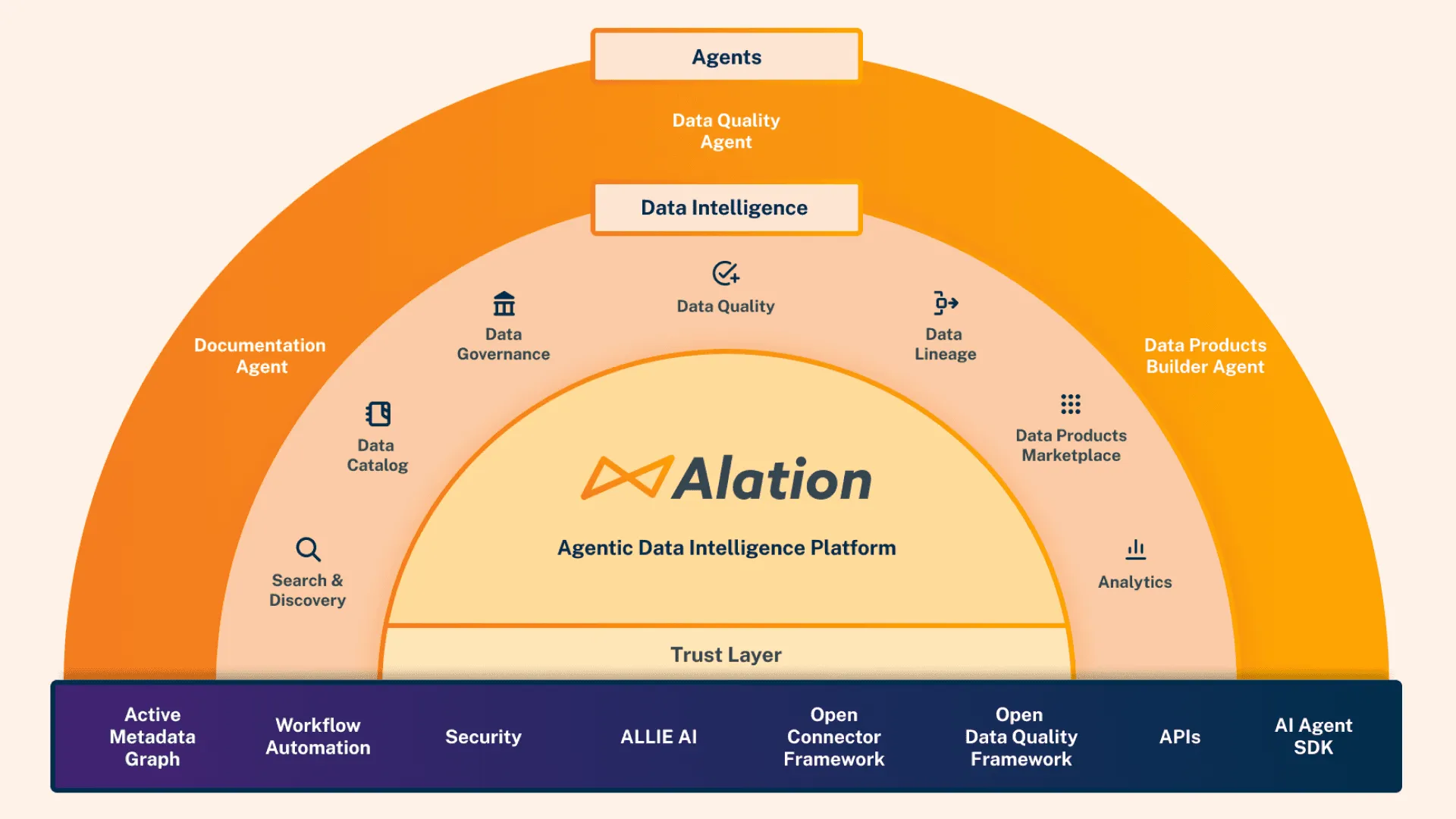
Alation is an agentic data intelligence platform and knowledge layer that helps teams find, govern, and trust data—powering reliable AI and analytics.
Alation and Atlan both meet every requirement you set for this layer; nothing you have stated separates them.
1 of 1 required relationships have no recorded answer either way.
Runner-up: Atlan
Observability
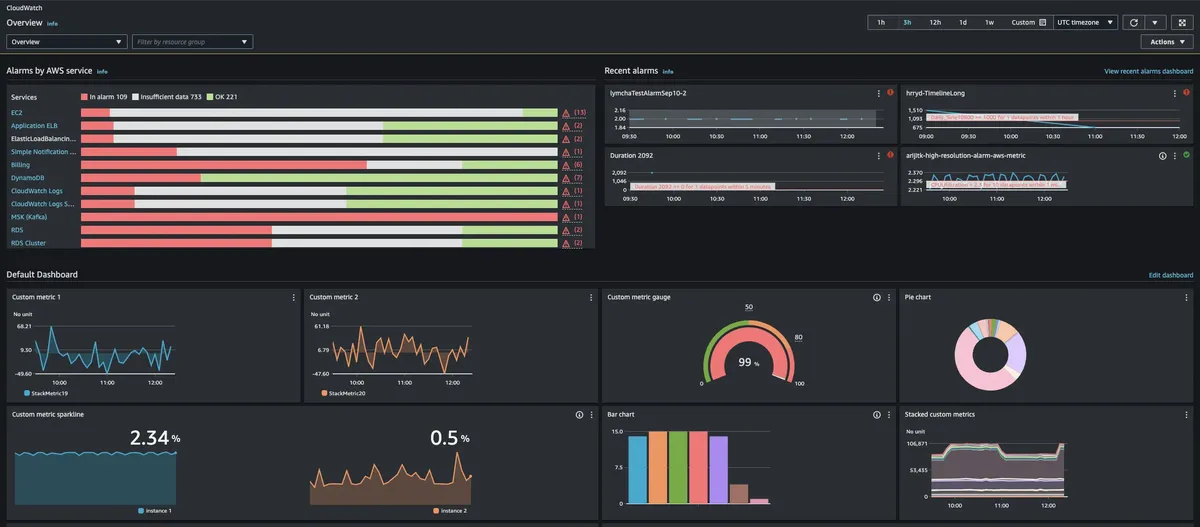
Amazon CloudWatch is a monitoring service built for DevOps engineers, developers, site reliability engineers (SREs), IT managers, and product owners.
Amazon CloudWatch and AppDynamics both meet every requirement you set for this layer; nothing you have stated separates them.
Runner-up: AppDynamics
How recommendations change with your constraints
The same architecture adapts to your cloud, budget, and deployment preferences. Here's what our algorithm recommends for common scenarios:
Open Source
Fully open-source, self-hosted governance stack for smaller teams.
Customize this scenario →Managed / Enterprise
Managed governance tools for enterprise teams that want vendor support.
Customize this scenario →Frequently asked questions
Do I need all three layers?▾
Start with data quality (catches bad data) and a catalog (makes data findable). Add observability when your pipeline complexity grows. Most teams add governance incrementally.
Great Expectations vs Soda vs Monte Carlo?▾
Great Expectations is open-source and code-first (Python). Soda uses a YAML-based DSL that's easier for non-engineers. Monte Carlo is fully managed with anomaly detection. Choose based on your team's technical depth and budget.
Build your data governance
These recommendations use public adoption signals, product evidence, and verified integrations. Customize them for your specific requirements and review the methodology behind the available evidence.