Best Real-time Analytics Stack (2026)
Real-time analytics requires a fundamentally different architecture than batch processing. Data must flow continuously from sources through a streaming pipeline into a database optimized for fast queries, then into dashboards that refresh in seconds. The key constraint is latency — every component must handle data with minimal delay.
Who is this for?
- Teams building real-time dashboards for operations or monitoring
- Companies processing event streams (clickstream, IoT, transactions)
- Engineers migrating from batch ETL to streaming for fresher data
- Anyone evaluating Kafka vs Flink vs Kinesis for streaming
How it works
A streaming pipeline (Kafka, Flink) ingests events in real time. Data flows into a real-time OLAP database (ClickHouse, Apache Druid) optimized for fast analytical queries on fresh data. Dashboards (Metabase, Grafana) query the database and auto-refresh to show live metrics. Optional orchestration coordinates streaming jobs, backfills, and operational dependencies around the pipeline.
Scroll horizontally to inspect every architecture layer.
Evidence-backed reference architecture based on selected constraints, public adoption signals, product evidence, and available integration data. See how recommendations are scored.
Estimated cost: $20 – $1,000/mo
Why this recommendation
- Optimized for a default real-time analytics architecture across the required stack layers.
- Prioritizes streaming, low-latency storage, and dashboarding layers for operational analytics.
- Balances role fit, adoption, user requirements, and available integration evidence.
Recommended tools
Streaming Pipeline
Apache Flink is a framework and distributed processing engine for stateful computations over unbounded and bounded data streams.
Apache Flink and Apache Kafka both meet every requirement you set for this layer; nothing you have stated separates them.
1 of 1 required relationships have no recorded answer either way.
Runner-up: Apache Kafka
Real-time Storage
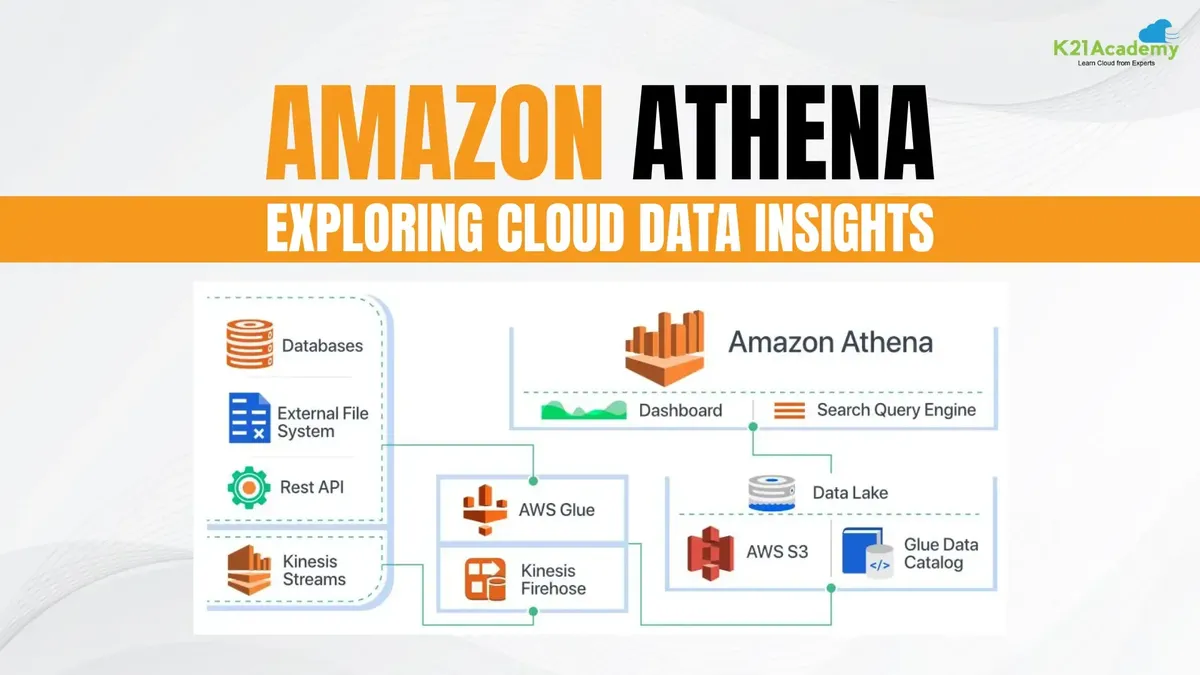
Amazon Athena is a serverless, interactive analytics service that provides a simplified and flexible way to analyze petabytes of data where it lives.
Amazon Athena and Apache Druid both meet every requirement you set for this layer; nothing you have stated separates them.
2 of 2 required relationships have no recorded answer either way.
Runner-up: Apache Druid
Dashboards
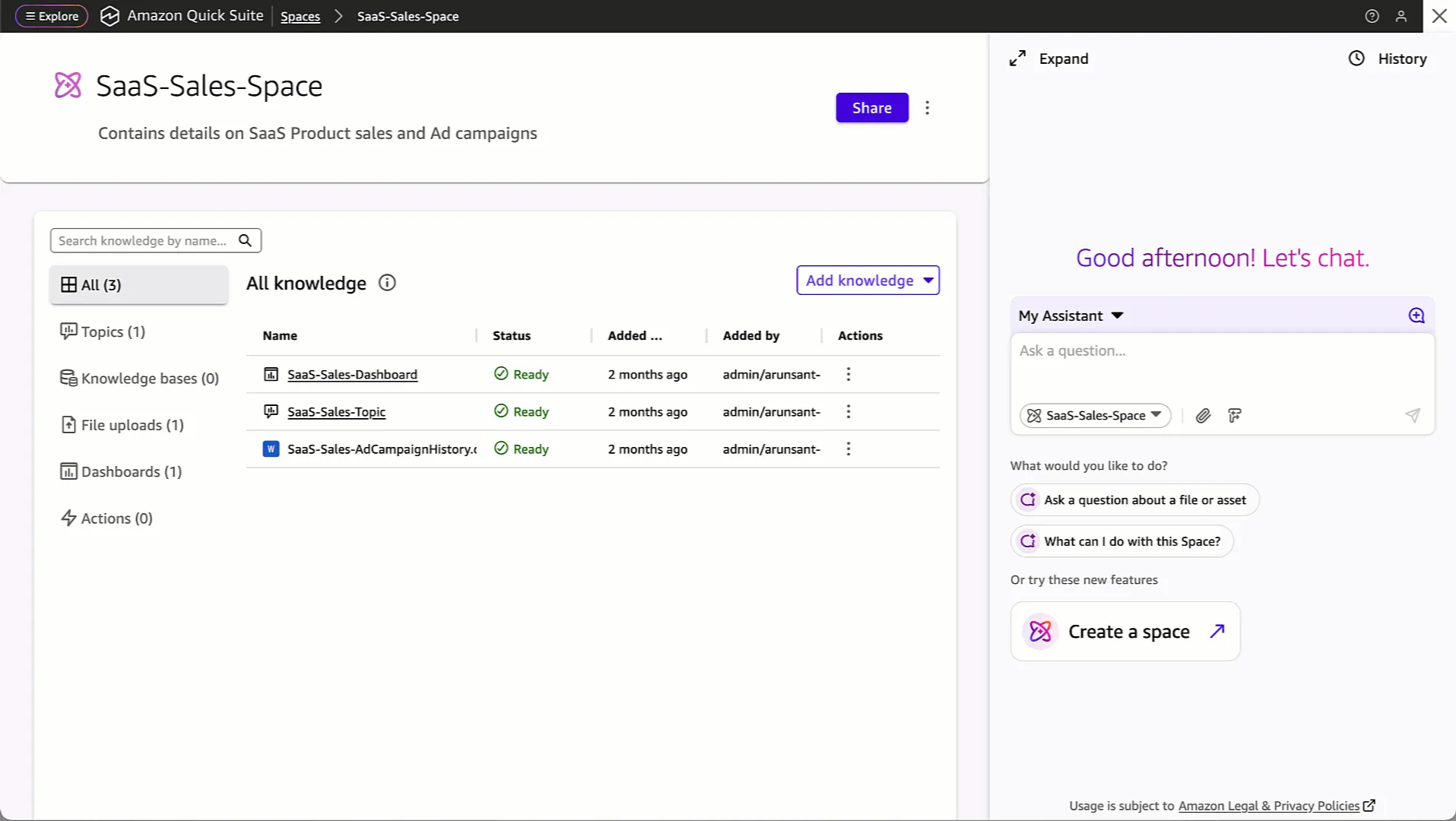
AI-powered BI that transforms data into strategic insights for everyone through unified intelligence, actionable analytics, and democratized data access.
Amazon QuickSight and Count both meet every requirement you set for this layer; nothing you have stated separates them.
1 of 1 required relationships have no recorded answer either way.
Runner-up: Count
How recommendations change with your constraints
The same architecture adapts to your cloud, budget, and deployment preferences. Here's what our algorithm recommends for common scenarios:
Managed Streaming
Commercial streaming and managed analytics services for enterprise production workloads without a single-cloud requirement.
Customize this scenario →AWS Streaming
AWS-native ingestion with Kinesis and managed, production-scale analytics services.
Customize this scenario →No Real-time Storage in our catalog meets your native-provider, real-time, deployment model, and cloud requirements. Filling this layer means relaxing one of them.
Open Source
Fully open-source, self-hosted real-time stack.
Customize this scenario →Frequently asked questions
Kafka vs Flink vs Kinesis?▾
Kafka is the standard for event streaming (message broker). Flink is for stream processing (transformations on streaming data). Kinesis is AWS's managed alternative to Kafka. Most teams use Kafka for ingestion and optionally add Flink for complex processing.
Can I use Snowflake or Databricks for real-time?▾
Evaluate Snowflake and Databricks separately. Databricks now offers Lakehouse//RT, a Beta, read-only serverless warehouse for high-concurrency, low-latency SQL reads directly on governed Delta Lake or Apache Iceberg tables. That does not make every Databricks workload low-latency, and its capabilities may change before general availability. Specialized real-time OLAP systems and streaming-first stacks can still be a better fit depending on maturity, write and ingestion requirements, deployment model, and workload.
Build your real-time analytics
These recommendations use public adoption signals, product evidence, and verified integrations. Customize them for your specific requirements and review the methodology behind the available evidence.