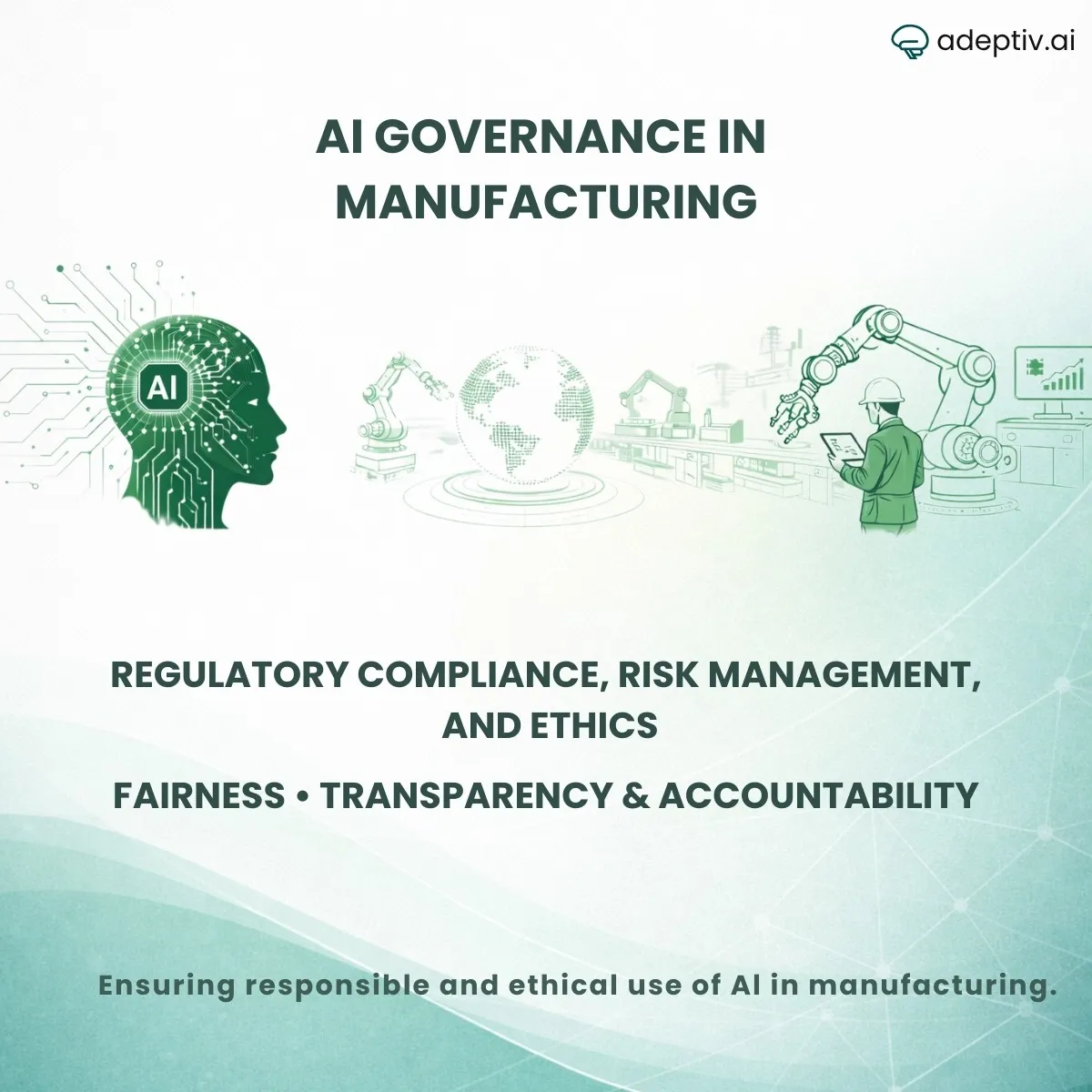
Adeptiv AI: product and architecture
Adeptiv AI is an enterprise AI governance platform built to help organizations discover, classify, and manage their AI inventory while automating compliance across more than 30 regulatory frameworks. In this Adeptiv AI review, we examine how the platform handles AI risk management, model monitoring, and audit readiness for regulated industries like banking, healthcare, and HR. The tool targets enterprises running dozens or hundreds of AI models that need centralized governance without building custom compliance workflows from scratch.
Overview
Adeptiv AI operates in the fast-growing AI governance market, where organizations face mounting pressure from regulations like the EU AI Act, ISO 42001, and NIST AI RMF. The platform positions itself as a full-lifecycle governance solution: from initial AI inventory discovery through ongoing production monitoring and audit reporting.
The primary audience is mid-to-large enterprises in regulated sectors -- banking and financial services (BFSI), healthcare, and HR -- where AI deployments carry significant compliance and reputational risk. Unlike broader data governance tools such as Collibra or Alation, Adeptiv AI focuses specifically on AI-related governance rather than general data cataloging.
The platform supports mapping to 30+ regulations simultaneously, which is a notable differentiator. Most competitors either cover a handful of frameworks or require manual mapping. Adeptiv AI also offers flexible deployment across SaaS, private cloud, and on-premises environments, addressing a common enterprise requirement for data residency control.
Key Features and Architecture
Adeptiv AI structures its governance capabilities around five core pillars: discovery, compliance, risk, monitoring, and reporting.
AI Inventory Discovery and Lifecycle Management. The platform auto-discovers AI assets across an organization's infrastructure, cataloging models, datasets, and use cases. Each AI use case gets tracked through its full lifecycle -- from development through deployment and retirement. This eliminates the common problem of shadow AI, where teams deploy models without central visibility.
Compliance Automation. Adeptiv AI maps AI use cases to 30+ regulatory frameworks including the EU AI Act, ISO 42001, and NIST AI RMF. The system auto-suggests controls and evidence requirements for each regulation, reducing the manual effort of compliance mapping. Policy management features let governance teams draft tailored AI policies directly within the platform.
Risk Scoring and Management. The platform auto-detects risk levels for each AI use case based on regulatory classification (e.g., high-risk under EU AI Act Article 6). Risk assessments feed into a centralized dashboard where teams can track mitigation actions and control implementations.
Real-Time Monitoring and Bias Detection. Production models are monitored for drift and bias using integrated fairness testing via SHAP and LIME explainability methods. This goes beyond simple performance monitoring -- teams get alerts when model behavior shifts in ways that could trigger regulatory concerns.
Enterprise Integrations and Access Control. The platform connects to common data and ML infrastructure through REST API integrations with Snowflake, Databricks, MLflow, GitHub, S3, and identity providers like Okta. RBAC controls allow granular permission management across governance, compliance, and data science teams. Deployment options span SaaS, private cloud, and on-premises installations.
Ideal Use Cases
Regulated financial institutions managing 20+ AI models across lending, fraud detection, and customer scoring will benefit most. These organizations face simultaneous compliance demands from the EU AI Act, local banking regulators, and internal risk frameworks.
Healthcare organizations using AI for diagnostics, patient triage, or claims processing need the bias detection and audit trail capabilities. SHAP and LIME integration provides the explainability that healthcare regulators increasingly demand.
Enterprise AI governance teams tasked with creating a centralized AI registry across business units will find the auto-discovery and lifecycle management features directly useful.
Not the right fit for: startups with only 1-2 AI models in production -- the governance overhead will exceed the value. Teams seeking open-source solutions should look at OpenMetadata or DataHub instead. Organizations without dedicated AI governance staff will struggle to operationalize the platform effectively.
Strengths & Trade-offs
Pros:
- 30+ regulation mapping in one platform -- covers EU AI Act, ISO 42001, NIST AI RMF, and sector-specific frameworks simultaneously, saving teams from managing separate compliance workflows for each regulation
- Auto-discovery of AI inventory eliminates shadow AI risk by scanning infrastructure for unregistered models and datasets, which is critical for organizations with decentralized data science teams
- SHAP and LIME integration for fairness testing provides model explainability that goes beyond basic monitoring, directly supporting regulatory requirements for algorithmic transparency
- Flexible deployment options across SaaS, private cloud, and on-premises address strict data residency requirements common in banking and healthcare
- Audit-ready reporting generates compliance documentation that maps directly to regulatory requirements, reducing the manual effort of preparing for external audits
Cons:
- No published pricing makes budget planning difficult -- enterprises must go through sales conversations before understanding cost implications, and there is no self-serve option for smaller teams
- Limited free trial scope at 1 user and 2 AI use cases is too constrained to meaningfully evaluate governance workflows that typically involve cross-functional teams and dozens of models
- Narrow focus on AI governance means organizations also needing broader data quality or data catalog capabilities will need a separate tool like Collibra or DataHub alongside Adeptiv AI
- Enterprise-only positioning excludes mid-market companies and growing startups that need governance tooling but cannot justify enterprise procurement cycles