Best Modern Data Stack Tools (2026)
The modern data stack is the standard architecture for analytics-driven organizations. It separates concerns into ingestion, storage, transformation, and visualization, while enterprise teams may consolidate more workloads into a lakehouse platform. This approach replaced monolithic ETL platforms because it's more flexible, cheaper to start, and easier to hire for.
Who is this for?
- Data teams building their first analytics infrastructure
- Companies migrating from legacy ETL (Informatica, Talend) to cloud-native tools
- Startups that need analytics but don't want to over-engineer
- Teams evaluating Snowflake vs BigQuery vs Databricks as their warehouse
How it works
Data flows left to right: an ingestion tool (Airbyte, Fivetran) extracts data from sources and loads it into a warehouse or lakehouse (Snowflake, BigQuery, Databricks). A transformation tool (dbt, SQLMesh) models the raw data into analytics-ready tables. A BI tool (Metabase, Looker) visualizes the results. Optional layers add orchestration, data quality monitoring, and observability.
Scroll horizontally to inspect every architecture layer.
Evidence-backed reference architecture based on selected constraints, public adoption signals, product evidence, and available integration data. See how recommendations are scored.
Estimated cost: $60 – $1,000/mo
Why this recommendation
- Optimized for a default modern data stack architecture across the required stack layers.
- Uses a standard warehouse analytics pattern across ingestion, storage, transformation, and BI.
- Balances role fit, adoption, user requirements, and available integration evidence.
Recommended tools
Data Ingestion
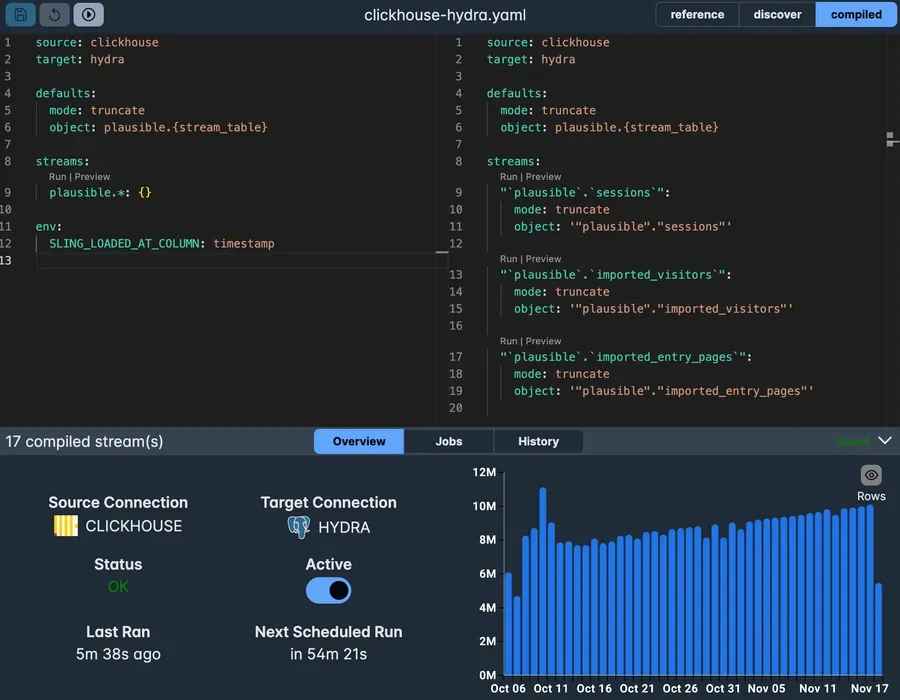
Sling is a Powerful Data Integration tool enabling seamless ELT operations as well as quality checks across files, databases, and storage systems.
Sling and dlt (data load tool) both meet every requirement you set for this layer; nothing you have stated separates them.
1 of 1 required relationships have no recorded answer either way.
Runner-up: dlt (data load tool)
Data Warehouse
Unified analytics and AI platform with lakehouse architecture combining data lake and warehouse
Databricks and DuckDB both meet every requirement you set for this layer; nothing you have stated separates them.
3 of 3 required relationships have no recorded answer either way.
Runner-up: DuckDB
Transformation
Streamline data transformation with dbt. Automate workflows, boost collaboration, and scale with confidence.
dbt Cloud and dbt (data build tool) both meet every requirement you set for this layer; nothing you have stated separates them.
1 of 1 required relationships have no recorded answer either way.
Runner-up: dbt (data build tool)
BI / Visualization
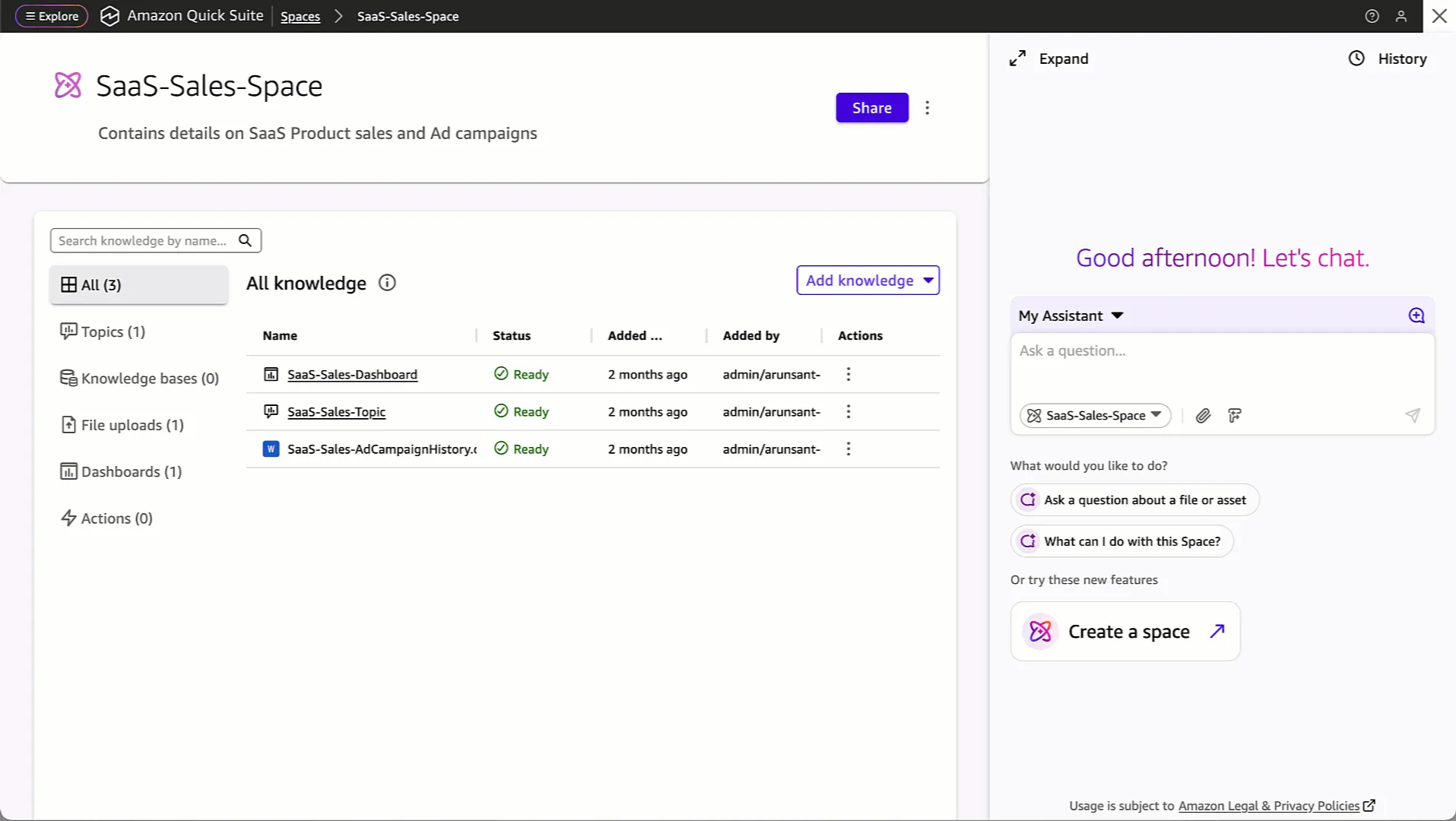
AI-powered BI that transforms data into strategic insights for everyone through unified intelligence, actionable analytics, and democratized data access.
Amazon QuickSight and Count both meet every requirement you set for this layer; nothing you have stated separates them.
1 of 1 required relationships have no recorded answer either way.
Runner-up: Count
How recommendations change with your constraints
The same architecture adapts to your cloud, budget, and deployment preferences. Here's what our algorithm recommends for common scenarios:
AWS Enterprise
Fully managed AWS-native stack for enterprises with existing AWS infrastructure.
Customize this scenario →Enterprise Lakehouse
Managed enterprise stack where lakehouse and ML/AI platform fit are weighted more heavily.
Customize this scenario →GCP + Managed
Google Cloud-native stack leveraging BigQuery's serverless architecture.
Customize this scenario →Open Source
Fully open-source, self-hosted stack for startups and budget-conscious teams.
Customize this scenario →Self-hosted
Full control over your infrastructure — deploy on your own servers or Kubernetes, at production scale.
Customize this scenario →Frequently asked questions
What is the modern data stack?▾
A modular architecture where specialized tools handle ingestion, warehousing, transformation, and visualization separately. Unlike monolithic platforms, each layer can be swapped independently.
How much does a modern data stack cost?▾
From $0 (fully open-source with Airbyte + ClickHouse + dbt + Superset) to $10k+/month for enterprise managed services (Fivetran + Snowflake + dbt Cloud + Looker). Most mid-market teams spend $1-3k/month.
Do I need all four layers?▾
The warehouse and BI layers are essential. Ingestion can be replaced by custom scripts for simple sources. Transformation (dbt) is strongly recommended but some teams start without it.
When does Databricks fit a modern data stack?▾
Databricks fits best when the analytics stack is also expected to support enterprise-scale lakehouse, Spark, governance, data science, or ML/AI workloads. For simpler SQL-only analytics, a cloud warehouse may still be the better fit.
Build your modern data stack
These recommendations use public adoption signals, product evidence, and verified integrations. Customize them for your specific requirements and review the methodology behind the available evidence.